Compare Local Contractors for Residential Fire Restoration Services
Compare local contractors for residential fire restoration to define scope, verify experience, and set clear expectations for a successful recovery process.
Residential fire restoration is a comprehensive process that involves cleaning, repairing, and rebuilding areas affected by fire, smoke, and soot. This work typically covers removing damaged materials such as drywall, flooring, and cabinetry, as well as addressing smoke residue that can permeate surfaces and belongings. Restoration may also include deodorization to eliminate lingering odors and structural assessments to ensure the integrity of the property. The goal is to restore the home to a safe and livable condition, often requiring a combination of specialized cleaning and reconstruction services provided by experienced contractors.
Defining the scope of fire restoration work is essential for property owners to set clear expectations and ensure all necessary tasks are addressed. A well-documented scope outlines the specific areas to be cleaned, repaired, or replaced, and details any mitigation measures needed to prevent future issues. Clear scope definitions help prevent misunderstandings and provide a basis for comparing proposals from different service providers. When working with contractors, it’s important to verify their experience with fire restoration projects, as this work demands specialized knowledge of fire damage and effective restoration techniques.
Property owners can compare local contractors by examining their experience, credentials, and the scope of services offered. Gathering information about each contractor’s background with fire damage repairs can help identify those with relevant expertise. It’s also beneficial to review the details of their proposals or written estimates, ensuring that the scope of work is clearly outlined and consistent across providers. Asking for references or examples of previous fire restoration projects can provide additional insight into a contractor’s capabilities. By thoroughly evaluating these aspects, property owners can select service providers equipped to handle the specific needs of fire-damaged residential properties.
Compare local contractors by outlining your priorities, verifying experience, and clearly defining scope and expectations.
- Compare Service Providers - Evaluate multiple contractors to find those best suited for residential fire restoration needs.
- Define Project Scope - Clearly outline the work required to ensure mutual understanding and proper expectations.
- Verify Experience - Assess the background and past work of local contractors to ensure they can handle fire damage restoration.
- Document Agreements - Keep all project details and expectations in writing to facilitate clear communication and accountability.
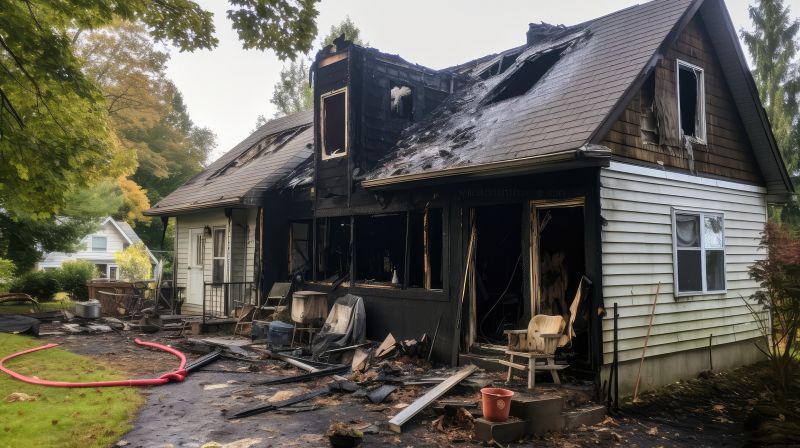
Clearly describe your fire restoration project to help compare service providers, define scope, verify experience, and set expectations in writing.
- Verify that the contractor has experience handling residential fire restoration projects to ensure they understand the specific needs of fire-damaged homes. - Look for service providers who can clearly define the scope of work and outline the restoration process in writing.
- Assess the contractor’s ability to identify and address structural damage caused by fire to prevent future issues. - Ensure they have the expertise to evaluate smoke, soot, and water damage comprehensively.
- Check that the contractor provides detailed, written estimates and scope of work to help compare service providers effectively. - Clarify what services are included and establish clear expectations upfront.
- Determine if the contractor can coordinate with other specialists, such as mold remediators or electricians, as needed for comprehensive restoration. - Confirm they have a network of trusted local service providers.
- Ensure the contractor offers transparent communication about the restoration process and documentation to keep clients informed. - Look for service providers who emphasize clear, written communication throughout the project.
- Confirm that the contractor adheres to safety protocols and uses appropriate methods for fire damage cleanup and restoration. - Verify their approach aligns with safety standards and best practices for fire damage recovery.
Compare local contractors, verify their experience, and clearly define scope to set accurate expectations.
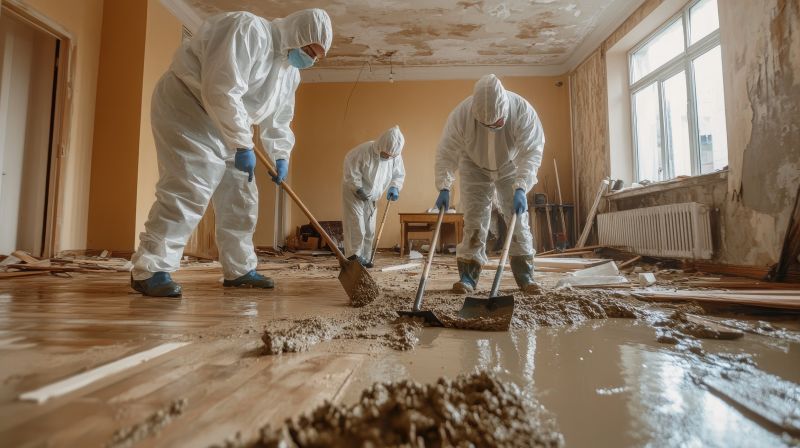
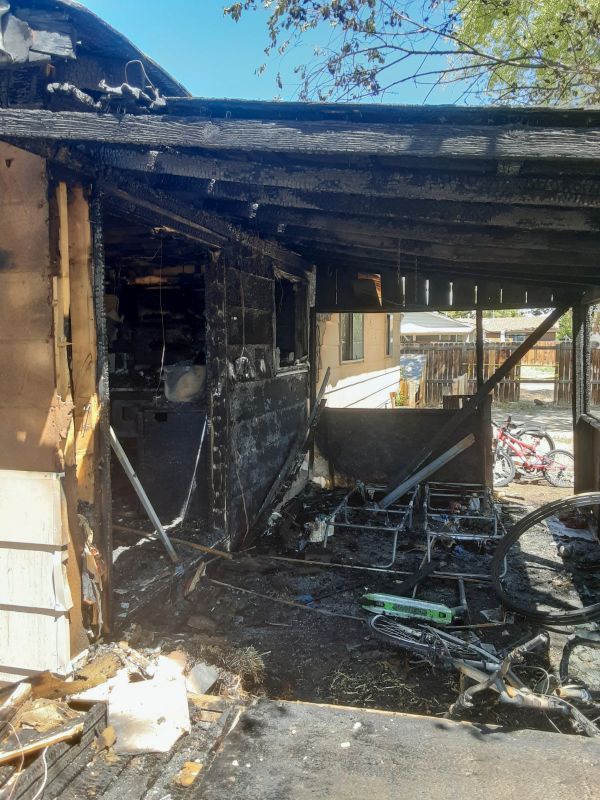
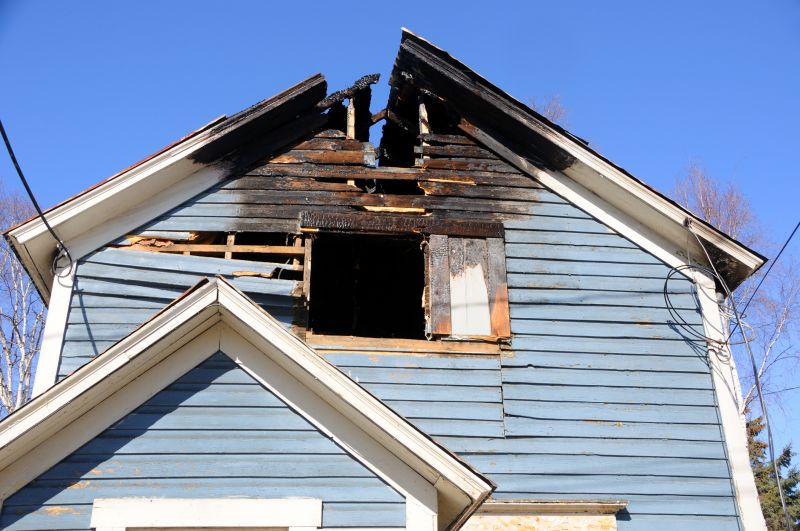
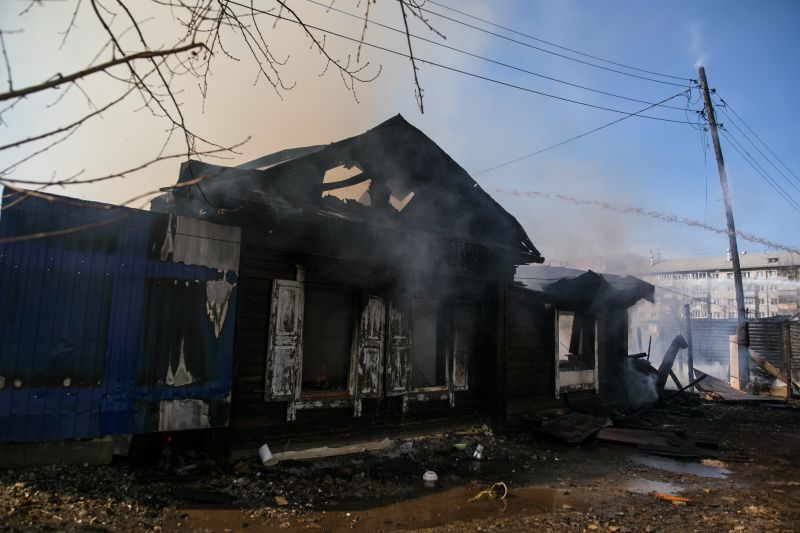
Use consistent scope definitions and verify contractor experience to effectively compare local service providers for fire restoration.
- Scope Definition - Clearly outline the specific restoration tasks required for fire-damaged residential spaces.
- Experience Verification - Confirm that service providers have relevant experience handling residential fire restoration projects.
- Material and Work Scope - Specify the types of materials and work that will be included and excluded in the restoration process.
- Work Expectations - Document the scope of work in writing to set clear expectations for the restoration services.
- Comparison Criteria - Establish key factors to compare among local contractors to ensure appropriate scope coverage and service quality.
When evaluating contractors for residential fire restoration, it’s important to consider their experience with similar projects. Service providers who have handled fire damage restoration in homes comparable to your property are more likely to understand the unique challenges involved. Ask potential contractors about their previous work in fire restoration, including the types of damage they have managed and the scope of projects they have completed. This background can help gauge their familiarity with the process and their ability to address specific issues that may arise during restoration.
A clear, written scope of work is essential for setting expectations and ensuring that both parties understand the extent of the project. When comparing service providers, look for detailed descriptions of the tasks they plan to undertake, including cleanup, structural repairs, smoke and odor removal, and debris disposal. A well-defined scope can prevent misunderstandings and provide a basis for verifying that all necessary steps are included in the restoration process. Avoid contractors who offer vague or overly general descriptions, as these can lead to confusion or incomplete work.
Verification of a contractor’s experience and credentials should be based on straightforward, verifiable information. Request references from previous fire restoration projects and follow up with those clients to learn about their experiences. Confirm that the contractor has a history of completing similar projects successfully and ask about any challenges encountered. Additionally, verify the contractor’s reputation through local directories or industry-specific resources to ensure they have a track record of reliable service. This basic verification helps build confidence in their ability to handle your fire restoration needs.
When comparing options, focus on how well each contractor’s proposal aligns with your project requirements and their ability to communicate clearly in writing. Review the scope of work, timelines, and any included procedures to assess their professionalism and attention to detail. It’s also helpful to evaluate how each service provider approaches the project planning process and whether they provide comprehensive documentation. Making informed choices based on experience, clarity of scope, and verification methods can help ensure a smooth and effective fire restoration process, connecting homeowners with qualified local contractors suited to their specific needs.
Ask contractors to provide written scope of work to ensure clarity and consistency throughout the restoration process.
- Scope of Work - What specific services and restoration tasks do the contractors include in their scope?
- Experience & Expertise - How do the contractors demonstrate their experience with residential fire damage restoration?
- Project Approach - What methods or processes do the service providers use to ensure thorough and effective restoration?
- Written Estimates & Documentation - Do the contractors provide detailed, written descriptions of the work to be performed?
- Communication & Clarifications - How do the contractors clarify project expectations and address potential scope changes in writing?
How can I compare different contractors for fire restoration? To compare contractors effectively, review their experience with residential fire damage, verify references, and assess their scope of services to ensure they meet specific restoration needs.
What should I consider when defining the scope of fire restoration work? Clearly outline the areas affected, the types of damage, and the desired outcomes to help contractors provide accurate assessments and ensure all necessary work is included.
How do I verify a contractor's experience in fire restoration? Ask for details about their previous projects, request references, and confirm their familiarity with the specific challenges associated with residential fire damage.
Why is it important to have a written agreement with a contractor? A written agreement helps define the scope, expectations, and responsibilities, reducing misunderstandings and providing a clear record of the work to be performed.
What questions should I ask a contractor before hiring for fire restoration? Inquire about their experience, the process they follow, how they handle unexpected issues, and how they coordinate with other service providers involved in the restoration.
How can I ensure the contractor understands my specific fire restoration needs? Communicate detailed descriptions of the damage, ask for their input on the scope, and request a written plan that outlines the proposed work and deliverables.
This page has highlighted key considerations for selecting contractors to handle residential fire restoration, including how to compare service providers, define the scope of work, verify relevant experience, and establish clear expectations in writing. Understanding these elements can help in making informed decisions when choosing local contractors for the job.
Using the quote form allows visitors to easily explore and compare options available in their area. It provides a straightforward way to connect with experienced service providers who can meet specific project needs, helping to find the right fit for fire restoration projects.